Skip to content
Back to Sunrun Blog
What is the Average Electric Bill With Solar Panels Installed?
SHARE TO SOCIAL MEDIA
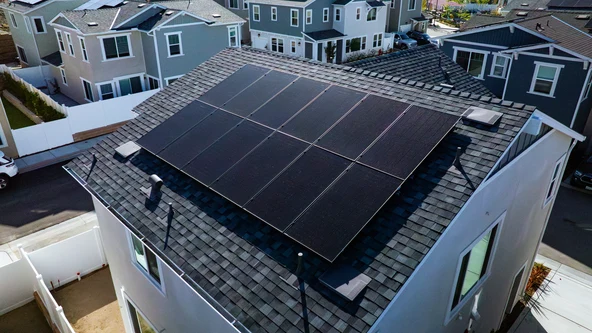
Recent data from the U.S. Energy Information Administration shows that the average U.S. household pays roughly $140–$165 per month for electricity. Installing solar panels can reduce or nearly eliminate the grid‑energy portion of that bill, often leaving only a small monthly connection fee when the system is sized to cover most of the home’s usage, although this often fluctuates with seasons.
Homeowners across the U.S. have watched residential electricity rates quietly climb over the past few years. However, some homeowners are protecting themselves from the impact of this upward trend by adding an alternative source of energy to their home, solar.
With a properly sized solar system, your solar panels produce most or all of the electricity you need during the day. Add battery storage, and you can use that solar energy at night, avoiding full reliance on the grid when the sun goes down.
Learn how the right system size, financing option, and energy habits can help you control your monthly electricity bills.
What makes up your monthly electricity bill?
Your current monthly statement is typically split into a few distinct categories, balancing fixed and variable fees.
Fixed utility charges are required just to stay connected to the local utility grid. The variable cost covers how much electricity your home uses from the grid, which determines your standard electric bill.
Before you can accurately estimate your future bill with solar panels, it helps to understand what you are paying for today.
A home solar system will not completely remove standard utility service fees for simply connecting your home to the grid. However, taxes from electric companies are typically based on the amount of grid power used, meaning producing your own power minimizes this tax burden on your electric bill.
How much is the average monthly electric bill?
According to recent figures from the Energy Information Administration (EIA), the average monthly electricity usage for the typical American household is approximately 863 kWh. And, the typical household pays 16.48 cents per kWh. Thus, the average American’s electric bill adds up to $142.26 per month.
Here's a price comparison showing how geographic location affects electric costs across states. In 2024, states like New Mexico had an average monthly electric bill of $92.88. On the high side for that same time frame, Hawaii’s figure was at $212.12.
See the table below for a detailed look at various average electricity bills within the states Sunrun operates in.1
State | Average Monthly Electric Bill |
|---|---|
Arizona | $160 |
California | $161 |
Colorado | $101 |
Connecticut | $200 |
Delaware | $151 |
Florida | $156 |
Hawaii | $212 |
Illinois | $110 |
Maryland | $166 |
Massachusetts | $167 |
Nevada | $139 |
New Hampshire | $145 |
New Jersey | $128 |
New Mexico | $93 |
New York | $140 |
Oregon | $130 |
Pennsylvania | $145 |
Rhode Island | $162 |
South Carolina | $150 |
Texas | $164 |
Utah | $95 |
Vermont | $126 |
Washington, DC | $114 |
Wisconsin | $111 |
Annual true-up statement
The true-up statement is an annual bill from the electric company that you’ll receive at the end of each 12-month billing cycle. It collectively reconciles all your electricity charges, credits, or reimbursements for the previous 12 months.
Typically, the statement shows your reduced electricity use from the grid, and in some cases, negative bills when credits exceed charges. This translates into potential financial benefits due to your solar panels’ productivity.
In many cases, there may be a balance due on the final electric bill of your annual billing cycle. Be aware that any unforeseen changes in your lifestyle may impact electricity usage and increase your statement balance. It’s also important to keep in mind that without solar panels on your home, you’d be paying the full utility price for 100% of your energy, so a utility bill or true-up charge doesn’t always indicate a lack of savings.
In addition, keep in mind that some utility programs will zero out any remaining credits listed on your true-up statement before your next billing cycle begins. So go ahead and use them while you've got them.
How do solar panels impact electricity bills?
When you have solar panels installed, your relationship with the utility company shifts. Your solar electric bill is often lower than traditional utility costs.
Over half of respondents (56%) in a study conducted by the California Public Utilities Commission (CPUC) noted their bills have gone down significantly, with 88% saying their solar bills went down at least slightly, signaling a positive effect and confirming customer awareness of their electric bill with solar.2
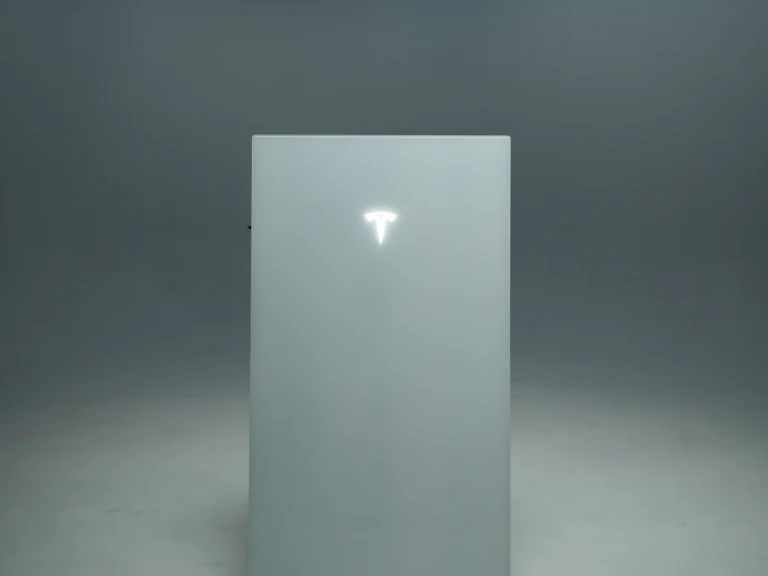
But the real game changer is what comes with a home battery. Adding a smart storage unit enables time of use arbitrage, where your system stores excess solar energy midday and discharges it during expensive peak hours, allowing you to avoid using grid power when it costs the most.
Smart batteries also provide backup power during outages and demand shaving, helping reduce grid reliance during peak periods.
Tesla Powerwall 3
LEAR MORE
What factors determine your electric bill with solar panels?
Your electric bill with solar panels is dependent on several factors. Your personalized energy equation involves critical elements that work together to influence your monthly energy costs.
Your home solar system's energy production
When it comes to minimizing your utility bill with solar panels, right-sizing your system is essential. A typical 5-kilowatt solar panel system can generate approximately 22 kilowatt-hours (kWh) of electricity per day, potentially lowering your average monthly electric bill.3
Unless you can dependably benefit from net metering (which varies from utility to utility), your best bet is installing solar panels that cover your entire electricity needs for a minimal electric bill. Be sure to add more electrical capacity to your system if you intend to increase your electricity usage in the coming years. Designing the right system size for your current and future electricity needs is what a solar representative specializes in and will review with you in a free consultation.
With more roof space available, you can likely meet your electricity needs with standard-efficiency modules. However, for rooftops with limited space, it may be advantageous to install smaller solar panels with higher electricity yield to achieve maximum energy output.
Residents typically find that owning the equipment outright yields the highest long-term return on their upfront investment, but many of solar’s most desired benefits are still achieved with a solar lease or PPA, which doesn’t require upfront costs.
Your household's energy consumption
Your lifestyle has always directly dictated your energy needs, but with solar panels, which produce the most energy midday, your energy habits can make an even bigger impact. Charging an electric vehicle from home or running a heated pool affects how much electricity you consume daily, adding a significant load and increasing your electric bill, especially if these high-energy activities happen during peak rate hours.
As you consider a home solar system, audit your household's energy consumption patterns to set realistic expectations. Do you conserve energy with efficient habits, or do you use more electricity with energy-intensive appliances? These personal choices are critical in calculating your electricity bill and determining the right solar power system size. Be ready to share these details with your solar representative so these factors can be considered when your system is designed.
Your local electricity rates
Finally, you must factor in what your electric company charges and its rate structure. Understanding your utility pricing helps you calculate the true value of solar energy production for controlling your electric bill with solar panels.
Pro Tip: Don't just size your solar system for today's usage. If you plan to purchase an electric vehicle or install a heat pump within the next five years, factor that future consumption into your initial design to maintain control of your electric bill with solar. |
Why does the future look extremely bright?
The financial advantage of abundant solar power grows stronger yearly as grid reliability weakens.
National electricity rates are officially projected to increase steadily over the next decade, squeezing family budgets.
Whether you need basic information or a full technical assessment, finding out your home’s energy potential is incredibly rewarding.
Choosing solar panels and battery storage provides energy independence, protects your wallet from rate increases, and gives you a predictable payment schedule so you have more control over your energy.
To make the right decision for your budget, it’s also good to have a solar lease and PPA bills explained. In general, a solar company does the installation on your roof. They then lease the equipment at a fixed monthly amount. Or, they can sell the solar electricity that the panels generate to you at a set price per kilowatt hour.
Here’s how they affect your bill:
Solar lease
If you like consistency, this is the one for you. With a solar lease, the bill from your solar provider is a fixed monthly fee. This figure is established by the amount of power your panels are designed to yield over their 25-year lifespan. That amount is then divided into consistent monthly payments for the term of your lease.
Solar PPA
If you’re more inclined to play the odds, consider a PPA. Under a solar PPA, you pay the solar company a fixed rate per kilowatt hour generated by your home solar installation. This rate is generally less than that charged by the electric company.
Take control of your electric bill starting today
Here's the bottom line: solar panels give you real control over your monthly electricity costs.
With the right system size, you can reduce your reliance on the utility for electricity. Add solar battery storage, and you can eliminate the stress of unforeseen outages, peak rate spikes, and rising electricity costs.
Grid rates keep climbing. Meanwhile, solar homeowners lock in predictable energy costs for decades.
Sunrun has been the #1 residential solar installer since 2007, with over 1 million homes serviced. We handle installation, monitoring, and maintenance with 25-year warranties*.
The best time to take control was yesterday. The second-best time is right now.
Ready to see what solar can do for your home? Contact us today. Get a free assessment from Sunrun's solar experts.
Your future energy bill is waiting. And it’s more predictable and personalized than ever before.
Sources:
https://www.eia.gov/electricity/sales_revenue_price/pdf/table_5A.pdf
https://www.cpuc.ca.gov/-/media/cpuc-website/divisions/energy-division/documents/solar-in-disadvantaged-communities/dac-sash-evaluation-report-final.pdf
https://u.osu.edu/solarpanels/energy-bill-savings/
* 10-15 years in Illinois and Puerto Rico due to a contract length of 15-years.