Skip to content
Back to Sunrun Blog
How to Power Your Home with Reliable Solar Energy
SHARE TO SOCIAL MEDIA
Solar energy is here. It’s proven, it’s reliable, and it’s changing the way homeowners take control of how they power their lives.
In this guide, we’ll discuss how solar energy technologies work, why more Americans are making the switch, and how Sunrun makes it simple to get started.
What is solar energy, and how does it generate electricity?
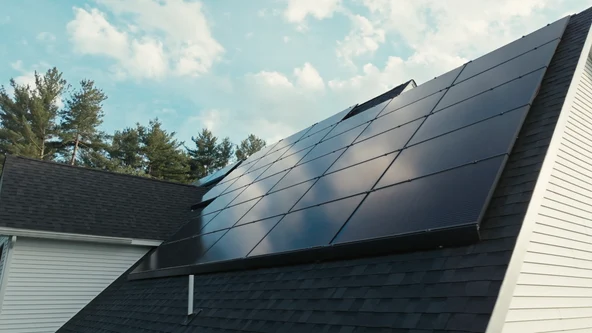
Solar energy comes from the sun’s light and heat. The sun delivers more energy to Earth in one hour than the world uses in a year.1 Rooftop solar panels capture that abundant energy and convert sunlight into direct current (DC) electricity. An inverter then changes DC into alternating current (AC), the type of electricity that powers your home.
Understanding your solar power setup
Different technologies come together to create power on your home from the sun. Active solar technologies take the lead, converting sunlight into reliable electricity. These systems do the heavy lifting, producing electricity that, together with battery storage, gives you energy independence.
Components of active solar energy technologies include:
Solar panels: These are the workhorses on your roof, typically made up of 60-72 individual solar cells. Modern panels are efficient at converting solar radiation into electricity and are built to withstand everything from hail to hurricane-force winds. 2
Inverter: Solar panels produce direct current (DC) electricity, but your home runs on alternating current (AC). The inverter converts the DC power into the AC electrical energy your appliances need.
Electrical panel integration: Your solar energy flows into your home's main electrical panel, where it's distributed to power your lights, appliances, and devices, just like electricity from the grid.
Net metering connection: This special meter tracks electricity flowing both ways, from your panels into your home and back to the grid when you produce more than you use. You often receive credits on your utility bill when you generate excess solar energy.
Passive solar technologies work differently. They use smart home design to naturally heat, cool, and light your space using the sun's energy. Examples include south-facing windows, strategic landscaping, and building materials that absorb and release heat.
While passive solar design doesn't generate electricity like the active systems above, it still contributes to overall solar energy efficiency by enhancing natural climate control.
Adding battery storage to solar energy
Battery storage can turn your residential solar energy system from a daytime energy producer into a 24/7 power solution, and provide protection against power outages. Think of it as your personal solar energy savings account. You deposit excess solar power during sunny days and withdraw it whenever electricity rates are highest or when the grid goes down.
Sunrun's premium battery storage solutions, from brands like Tesla and Lunar Energy offer warranties of at least ten years. Solar battery storage is typically installed on your garage wall or outside your home, seamlessly integrating with your solar system to provide years of reliable backup power.
What happens when you use solar panels
Solar energy technologies work through thermal systems and photovoltaics, a fancy term that basically means "light into electricity."
At Sunrun, we use photovoltaic technology to generate electricity. When solar radiation hits your panels, tiny particles of light called photons knock electrons loose from the silicon cells inside. This movement of electrons creates a flow of electricity, much like water flowing through a pipe.
It's the same reliable process that's been powering satellites in space for decades, now perfected for your home.
Here's what happens in your solar-powered home throughout a typical day:
Morning: As the sun rises, your panels start generating electricity. Even in early morning light, they're generating power for your coffee maker and morning routine.
Midday: Your panels are working at maximum capacity, often producing more solar electricity than your home needs. This excess power charges your battery (if you have one) or flows back to the grid where you can potentially receive credits.
Evening: As the sun sets, your photovoltaic panels produce less electricity. If you have battery storage, you'll use that stored daytime energy. Without a battery, you'll draw power from the grid as usual.
Night: Your panels rest, but if you have a battery system, you can keep using your stored renewable energy instead of paying peak rates to your utility company.
Solar energy facts
Solar energy technologies have fueled a 22% growth in U.S solar capacity over the last decade.3 This growth makes sense when you consider how reliable solar electricity has become.
Solar panels work even on cloudy days, producing 10-25% of their expected output when it's overcast. These systems are built to last 25-30+ years, quietly generating clean solar energy through all kinds of weather.
These factors combined explain why another American home goes solar every four minutes.4 At Sunrun, we've helped over 1 million customers make the switch.
Did you know? The space industry has relied on solar renewable energy since the 1960s. Satellites and spacecraft like the International Space Station run entirely on solar energy. |
What are the advantages of solar energy?
The top benefits of using a solar energy system include:
Energy independence
Remember the last time your power went out? Those moments become much less stressful with a residential solar energy system paired with battery storage. You're not at the mercy of an aging grid or extreme weather events that seem to happen more often.
When the grid fails, you don’t. When storms rage, your essentials remain on. When demand spikes, your home remains calm, collected, and well-lit, thanks to your stored solar energy.
And here's something cool. If you produce more solar energy than you use, many utilities will actually credit you for the excess power you send back to the grid. It's like your roof becomes a mini power plant that pays you.
Upgrade appliances: Upgrade outdated, power-hungry appliances (like that 15-year-old fridge) to Energy Star-certified models. This reduces your overall electricity demand, ensuring more of your solar energy goes to essential uses. |
Hassle-free technology
Modern solar systems are surprisingly low-maintenance. They use technology with no moving parts, which means less can break.
With professional monitoring, like what we offer at Sunrun, any issues get caught and addressed before you even notice them. You're not dealing with generators that need fuel, oil changes, or constant maintenance, just reliable, quiet power generation.
What are the disadvantages of solar energy?
The solar industry has had some real barriers, but this is how Sunrun has systematically solved each one.
The big upfront cost barrier
Traditional solar companies require massive upfront costs, pricing out most American families. That's exactly why Sunrun pioneered the solar-as-a-service model back in 2007. We invented solar subscriptions so you can go solar for as little as $0 down with predictable monthly payments that are typically less than your current utility bill.
While other companies still expect you to write a big check, Sunrun gives you the choice: subscribe with little to no upfront costs, or if you prefer ownership, pay up front.
Cloudy weather and location concerns
Here's what most people don't realize. Sunrun's advanced solar panels still harness solar energy 10-25% of their normal output even on cloudy days. Our solar technologies are designed to capture every available photon, and our monitoring technology ensures you're getting maximum production year-round.
We have over 1 million solar systems installed across dozens of US states, from sunny California to cloudier climates. Seasonal variations? Our system design accounts for that, giving you accurate annual production estimates so there are no surprises.
Not every roof works for solar energy
Other companies may avoid difficult or unconventional roofs, but not Sunrun. Our expert design team works with a large variety of roofing types. While south-facing roofs are most efficient, we regularly install solar panels on east- and west-facing roofs.
We use advanced shade analysis to determine the best panel placement in order to maximize your solar energy output.
No power during outages without energy storage
Basic solar energy technologies stop working when the grid goes down. That’s why Sunrun provides integrated solar energy storage solutions. When outages happen, your panels keep charging the batteries, and your batteries keep powering your home.
At Sunrun, we’re more than a solar energy provider. We’re your partner in energy independence. Our batteries store your panels' energy so you can use it during outages, at night, or when utility rates spike. That means greater control and reliable solar power, whenever you need it.
Perimeter pruning: Even partial shade from nearby branches can drastically reduce output due to the way solar panel cells are interconnected. Trim trees and large bushes seasonally to ensure maximum solar exposure. |
Is solar power suitable for long-term residential use?
Yes, solar power is suitable for long-term residential use. A common myth about solar panels is that they require constant upkeep. With Sunrun, that couldn’t be further from the truth. Our solar technologies are built to endure decades of weather with minimal maintenance, and our all-inclusive service model means you never have to worry.
The Sunrun Subscription comes with full maintenance, real-time monitoring, and repairs. We take care of everything from equipment replacement to system monitoring, so you can sit back and enjoy your energy.
Our advanced monitoring technology detects issues proactively and alerts our service team automatically, keeping your system running efficiently year after year.
Modern Sunrun installations are designed to withstand extreme conditions, from hailstorms to heavy snow. In fact, our panels are more durable than many traditional roofing materials and can even help shield the roof beneath.
With our leading 25-year warranty, you’re guaranteed decades of dependable energy production.
Getting started with solar energy
We handle your free home assessment
The best part of exploring solar energy? With Sunrun, it costs nothing to assess your home’s energy potential. We recommend all homeowners considering going solar conduct a home energy audit. But if you choose to partner with us at Sunrun, we’ll review your recent utility bills, evaluate your roof’s solar capabilities, and provide personalized projections based on your actual energy usage.
During your consultation, we’ll analyze your current electricity costs and usage patterns, calculate how much solar power your roof can produce, and highlight your potential savings across different system sizes. To be fully prepared, here’s how to prepare for your solar consultation.
We’ll also help you navigate financing options, including our popular Sunrun Subscription Plan which allows you to go solar for as little as $0 down.
We design a custom system just for your home
No two homes are alike, so we create solar solutions tailored to your roof, energy needs, and budget. Our solar design experts customize systems that complement your home's appearance.
We optimize panel placement to ensure maximum energy production, size your system to match your electricity usage, and offer battery storage options if you want backup power. You’ll also receive clear projections of your monthly payments and potential first-year savings, so you always know exactly what to expect.
Own your energy future with Sunrun’s easy solar plans
Solar energy isn’t just a trend. It’s a smarter and more reliable way to power your home. From reducing locking in your rate to gaining energy independence over time, the benefits are clear.
And with Sunrun, going solar has never been easier. We manage everything from design to maintenance, so you can enjoy worry-free power for decades to come.
Ready to take control of your energy future? Schedule your free solar consultation with Sunrun and get a personalized quote today.
Take control of your energy bills
Sources
https://www.energy.gov/topics/solar-energy
https://css.umich.edu/publications/factsheets/energy/solar-pv-energy-factsheet
https://css.umich.edu/publications/factsheets/energy/us-renewable-energy-factsheet
https://www.goodnewsnetwork.org/every-4-minutes-us-building-goes-solar-white-house-today/
https://news.climate.columbia.edu/2022/10/26/solar-panels-reduce-co2-emissions-more-per-acre-than-trees-and-much-more-than-corn-ethanol/