Skip to content
Back to Sunrun Blog
Alternative Energy: Definition
SHARE TO SOCIAL MEDIA
Alternative energy refers to energy sources that are used instead of fossil fuels like coal, oil, and natural gas. These sources, such as solar, wind, and hydropower, are often renewable and produce little to no greenhouse gas emissions.
Alternative energy plays a key role in reducing environmental impact and diversifying how electricity is generated and used.
What is alternative energy?
Alternative energy is any energy source that serves as a substitute for traditional fossil fuels. It is commonly associated with cleaner, lower-emission energy options that can be replenished naturally over time.
While the term is sometimes used interchangeably with “renewable energy,” not all alternative energy sources are fully renewable. The main goal is to reduce reliance on finite, carbon-intensive fuels.
Types of alternative energy
Common types of alternative energy include:
Solar energy: Electricity generated from sunlight using photovoltaic (PV) panels
Wind energy: Power produced by wind turbines converting air movement into electricity
Hydropower: Energy created from moving water, such as dams or flowing rivers
Geothermal energy: Heat from within the Earth used for electricity and heating
Biomass energy: Organic materials (like plant matter) used to produce fuel or electricity
Each type varies in availability, cost, and how it integrates into the energy grid.
Alternative energy vs. renewable energy
Alternative energy and renewable energy are closely related but not identical.
Renewable energy comes from naturally replenishing sources (like sunlight and wind)
Alternative energy includes any non-fossil-fuel source, whether renewable or not
In practice, most alternative energy used today is also renewable, especially in residential applications like solar power.
Why alternative energy matters
Alternative energy supports a shift toward cleaner, more resilient energy systems by:
Reducing greenhouse gas emissions
Lowering dependence on fossil fuels
Supporting energy diversification and grid stability
Enabling more localized energy generation, including at the home level
As technology advances, alternative energy sources are becoming more widely adopted across the United States.
Alternative energy for homeowners
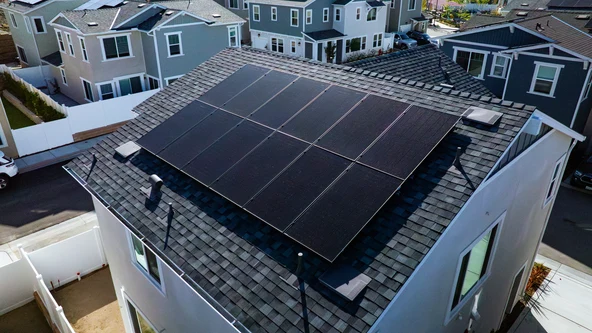
For homeowners, alternative energy often means installing a solar energy system that can generate electricity on-site.
Solar systems can be paired with battery storage to help manage energy use during outages or when grid power is unavailable. Monitoring tools, like the Sunrun app, can provide visibility into system performance and energy usage in real time.
Availability, system design, and performance can vary based on location, roof conditions, and local utility programs.
GO SOLAR
Take control of your energy bills
Reliable power, predictable energy bills
FAQs
Alternative energy is any energy source used instead of fossil fuels, often chosen for its lower environmental impact.
Yes. Solar energy is one of the most widely used forms of alternative energy and is also renewable.
No. While many alternative energy sources are renewable, the term can include some energy sources that are not fully renewable but still reduce reliance on fossil fuels.
It helps reduce emissions, supports energy independence, and enables cleaner ways to generate electricity.
Sources
1. https://www.eia.gov/energyexplained/renewable-sources/
2. https://extension.psu.edu/what-is-renewable-energy